
Mansion Hill East Tour
Our Historic Architecture Walking Tours season is almost over!
Join us as we explore the stories behind Madison’s most distinctive buildings, neighborhoods, and hidden details. Led by knowledgeable guides, these tours offer a closer look at the people, design, and history that shape our city.
Whether you’re a longtime resident or seeing Madison with fresh eyes, there’s always something new to discover. We loved touring with all of you this season!
Upcoming Tour!
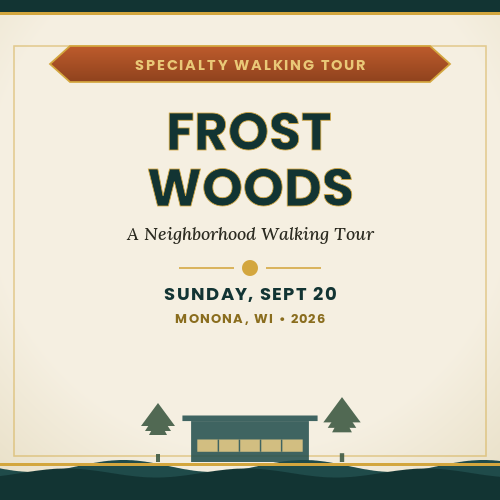
Frost Woods Specialty Walking Tour
Sunday, September 20
Tours begin at 8:30 a.m.
We encourage getting tickets early as space is limited.
Tickets close Sept. 17 at 11:59 p.m.

Special thanks to our presenting partner!
Read Our Advocacy News

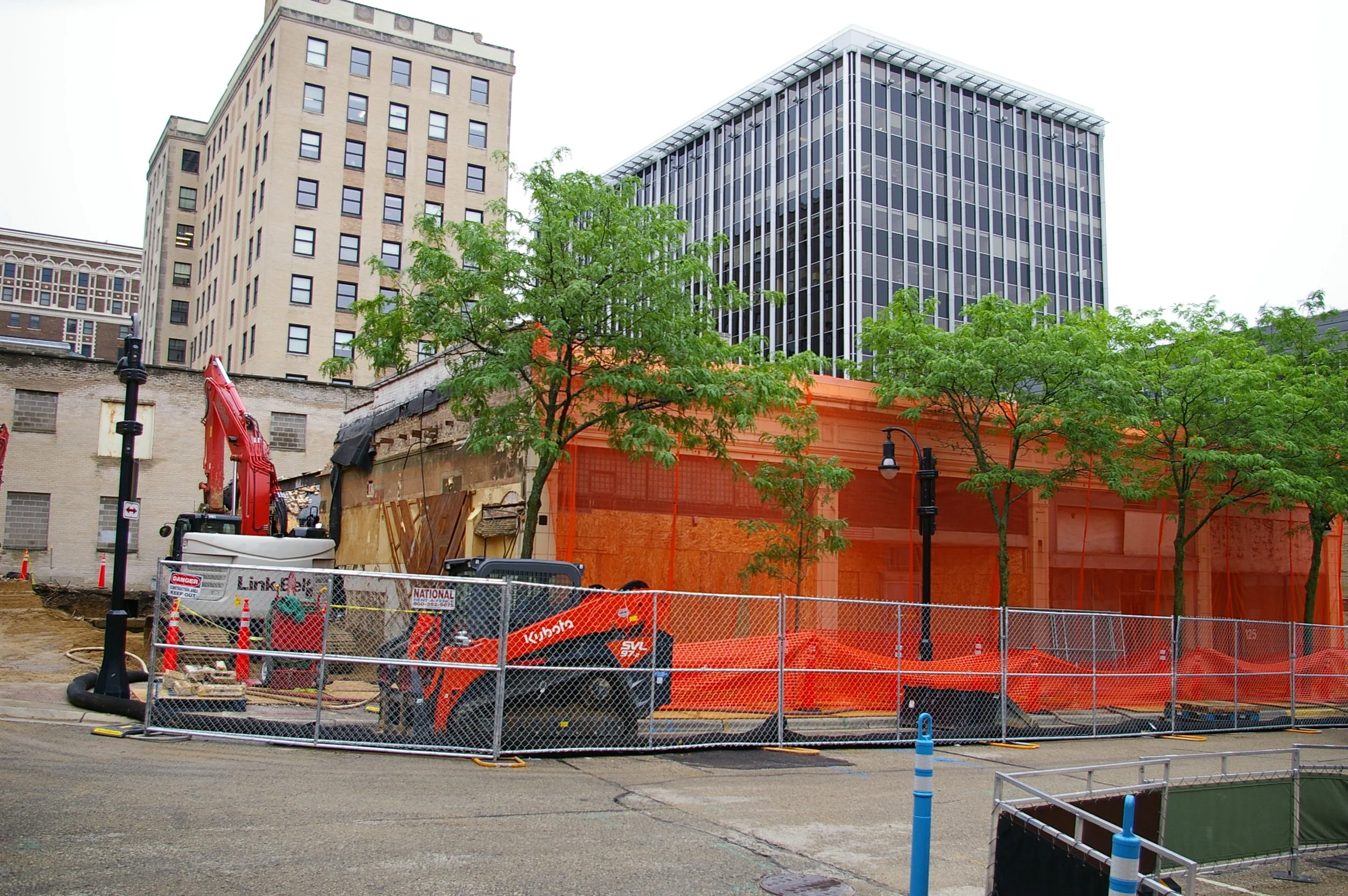
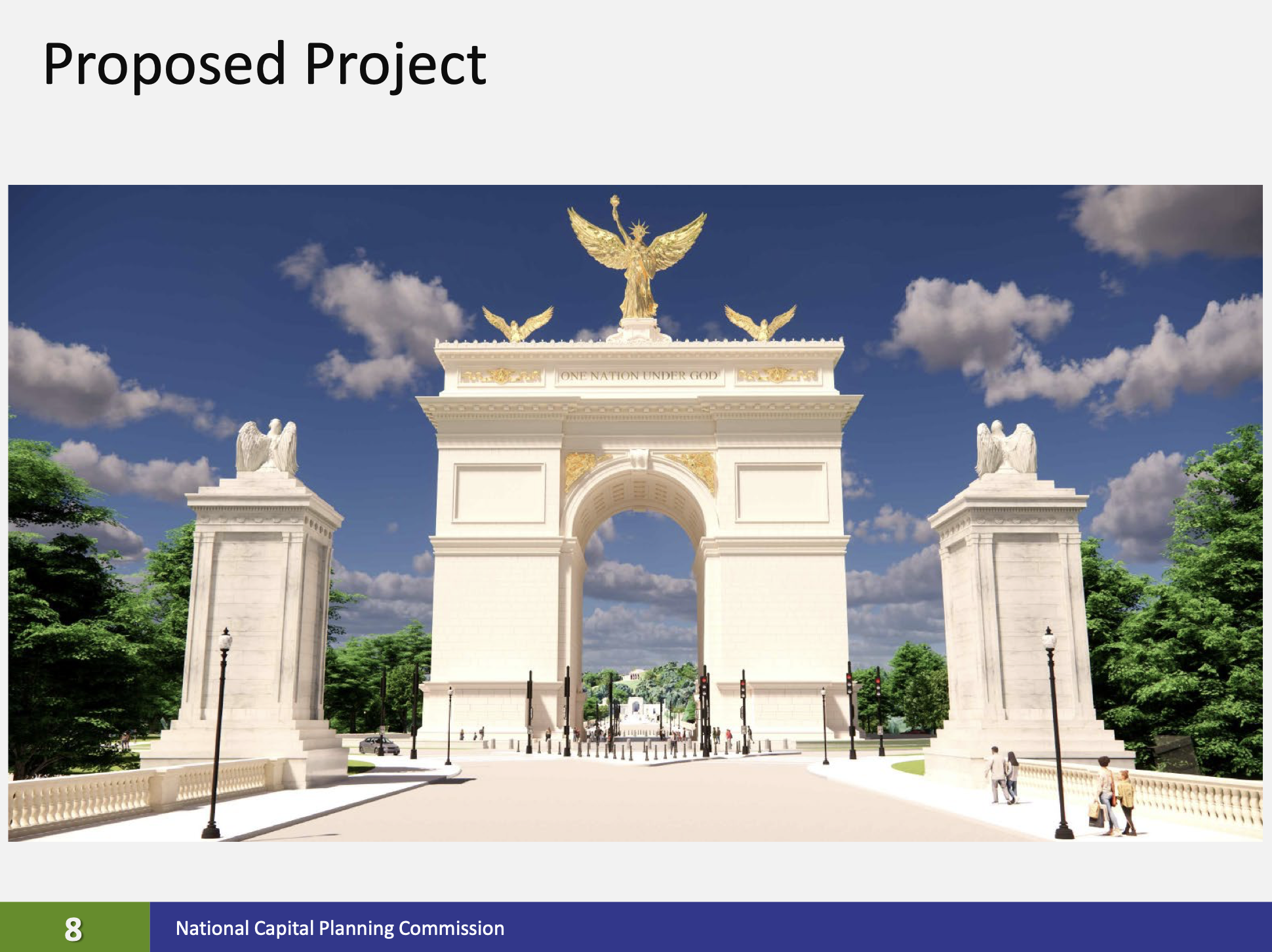

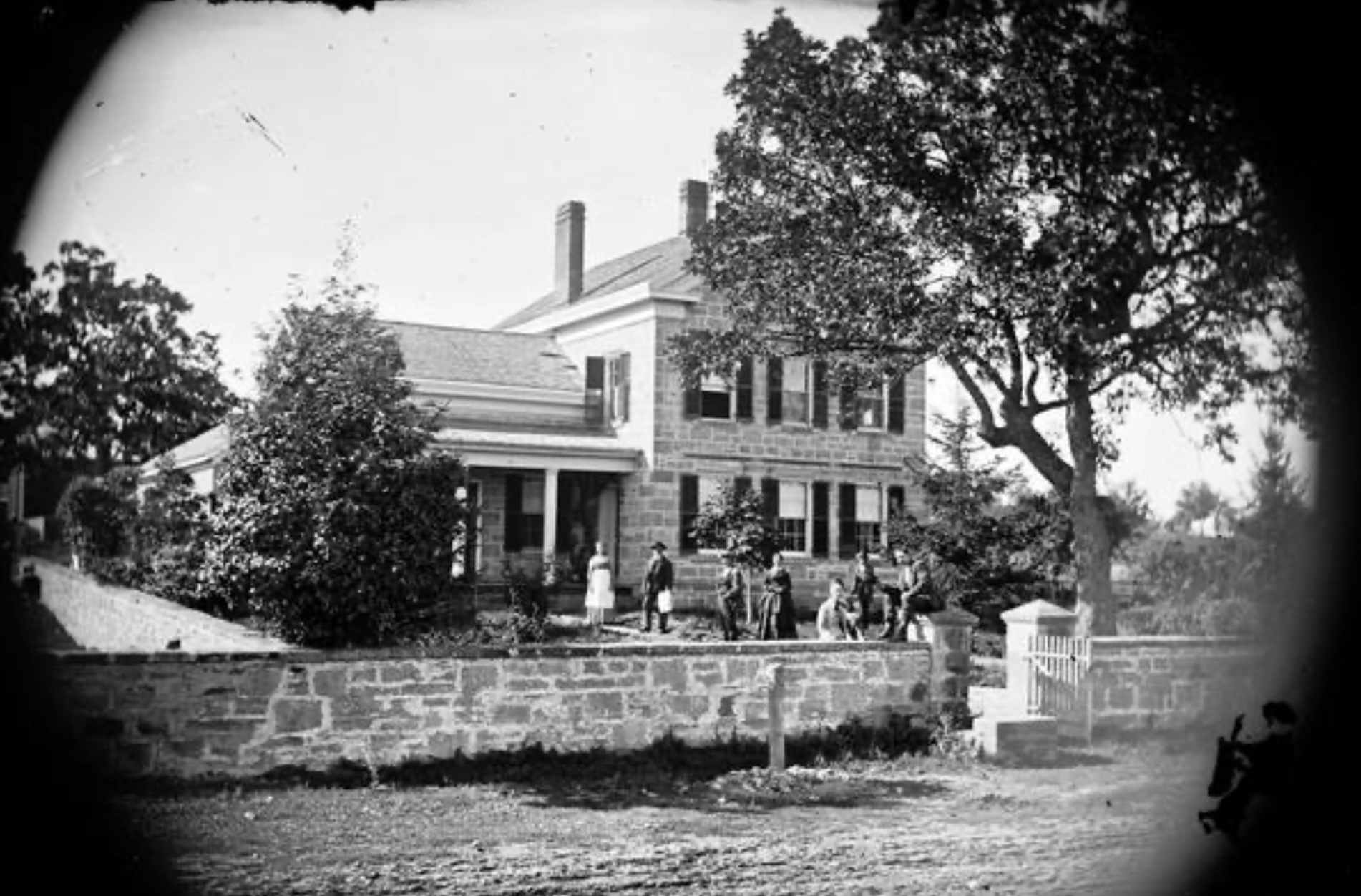
Image: Wisconsin Historical Society, Dahl, Andreas Larsen, Mapleside in 1878, Image ID 27104
About Us
We believe that historic places are cultural resources and that their rehabilitation, restoration and preservation are vital to a sustainable approach to redevelopment of older parts of our community. We believe they are critical to cultivating a civic identity and sense of place.
Read Our Blog

Become a Member!
Not only are you supporting the Madison Trust as it celebrates and advocates for the preservation of historic places in the Madison area, but you will become part of a network of preservation-minded people who care about Madison’s architectural treasures.
Our Tours
The Madison Trust provides an educational and fun way to experience architecture and history through our seasonal historic architecture walking tours, private tours and specialty tours. These tours showcase Madison’s historic architecture as well as our neighborhoods and illuminate the local history and heritage associated with them.
1,340+
Tour participants in 2025
Join us on a tour! You’ll learn about architecture and the people who lived and worked in these historic, human-built structures.
85+
Tours given in 2025
May through September trained volunteer docents led walking tours through eight historic neighborhoods in Madison. We also provide private tours and a specialty tour each year.
25+
Years the tours have operated
Over the years our tours have shared our knowledge of the people and places that shaped Madison into what it is today.

Get Involved
The Madison Trust values all of our amazing volunteers. Without their support, we wouldn’t be able to offer many of our public programs such as the seasonal historic architecture walking tours. The ongoing support of patrons like you determines what the Trust is today and what it will be in years to come. We have a variety of ways for you to get involved.
Become a member
We value our members and recognize that their support sends a strong message that historic places matter!
Volunteer opportunities
Give of your time with the Madison Trust and help support the continued viability of Madison’s historic places.
Make a Donation
Help support our mission of historic preservation education & advocacy in our community.